

from 30 November 2022 until April 2023
LET US FLY
THE EXHIBITION
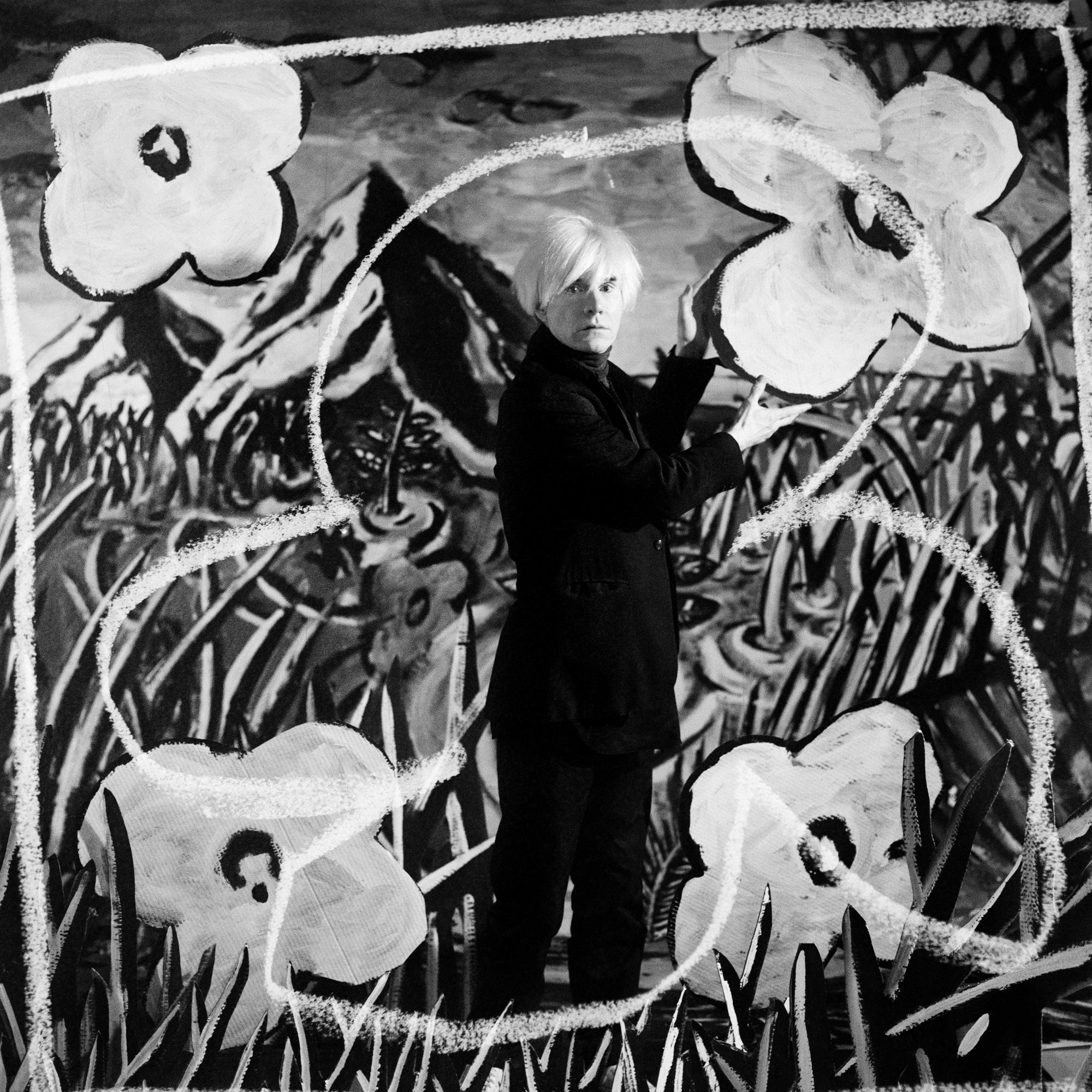
« At the beginning of the 1980s, I sought to bring photography into the true world of art. I set out to meet the artists of my personal pantheon, as though on an initiatory journey. The idea was to invent a new pictorial language. »
- Louis Jammes
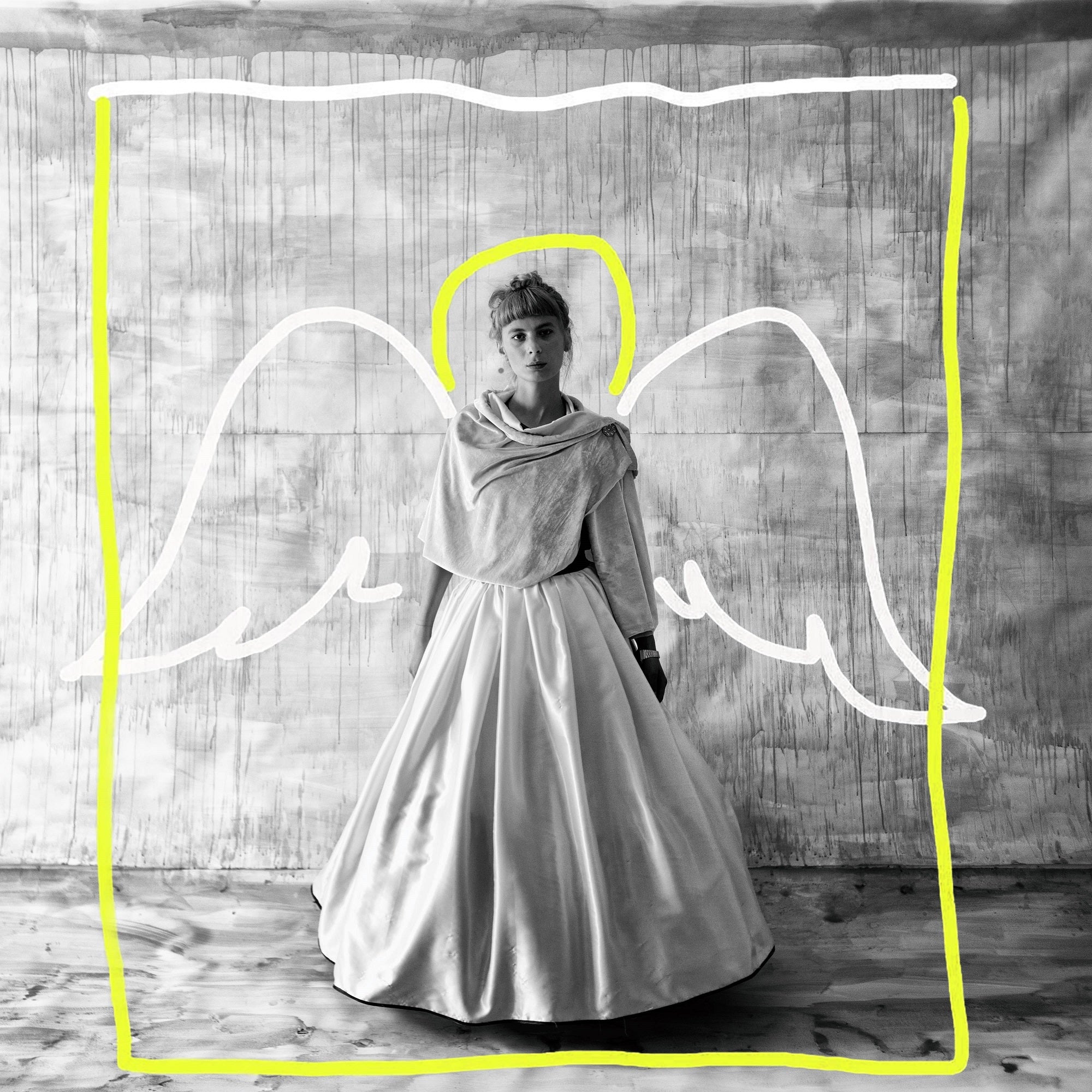
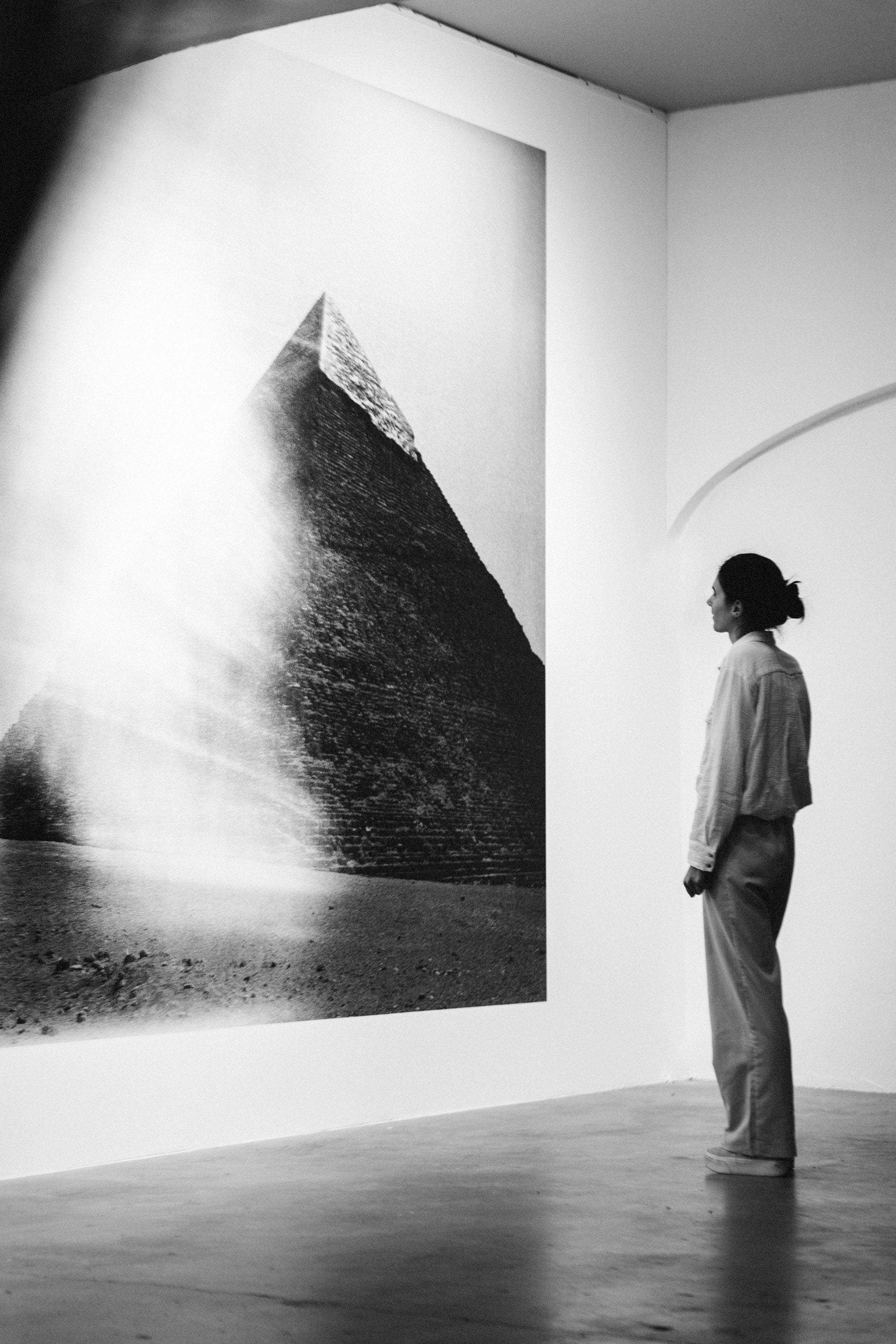
A body of work neither quite nomadic nor quite chaotic, yet somewhat wandering and sinuous – coherent nonetheless –, stretching between painting and photography, striving to reconcile them at the heart of a light that emerges here as the leading protagonist of the adventure.
This exhibition is conceived as an initiatory journey, following the trail of its origins: its thousand and one lives as a photographer, its roots, its experiences.
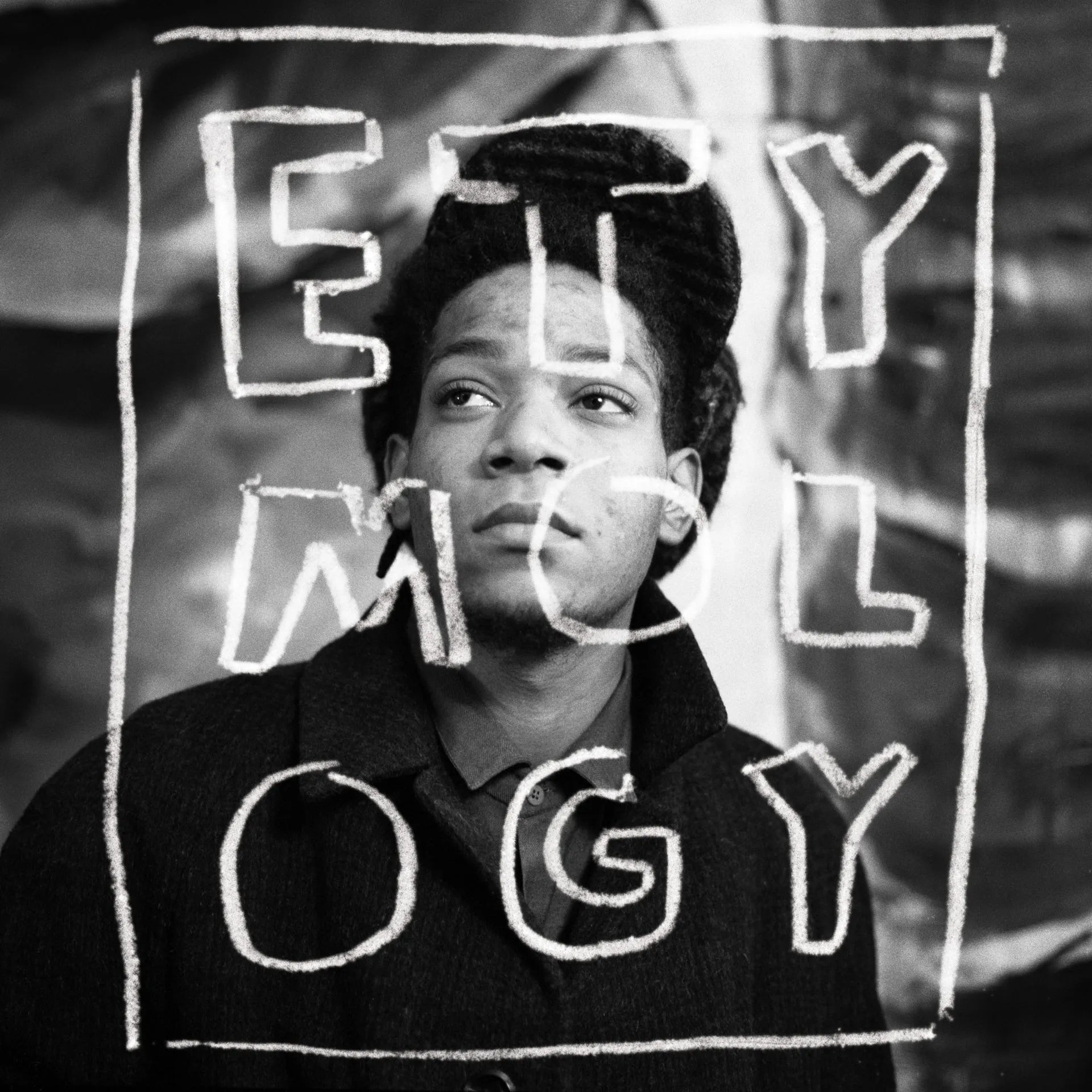
A journey through several worlds, spanning series and moments of life from more than thirty years ago – numerous exclusive collaborations, including Andy Warhol, Robert Combas and Jean-Michel Basquiat. In his wanderings, at the heart of the conflicts and major events of our contemporary history, from Sarajevo to Fukushima, he brings victims into the light, taking a stand—or, failing that, becoming part of it.
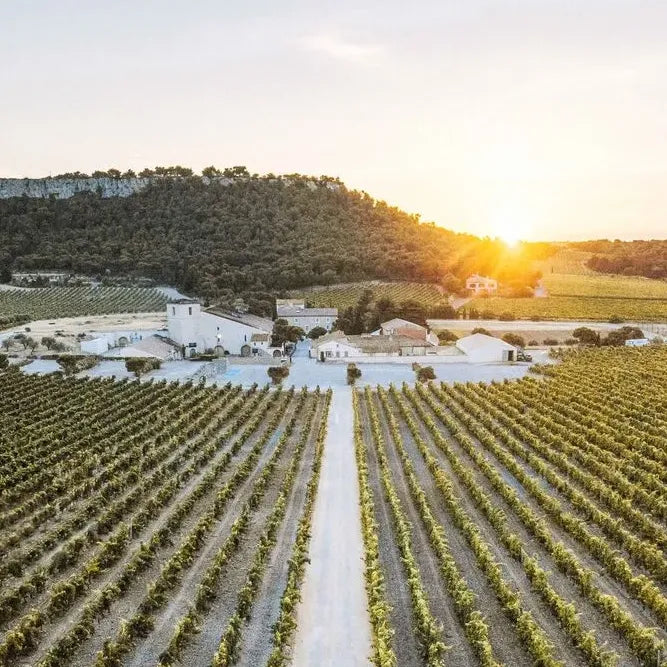
A major surprise awaits spectators as night falls: a monumental projection bearing witness to his thousand and one experiences as an artist, through series and moments of life from more than thirty years ago – his exclusive collaborations, his journeys to the heart of the conflicts and major events of our contemporary history, from Sarajevo to Fukushima, and his return to his Aude roots, at the very heart of La Clape’s terroir.
“A work that would show that the image proves nothing seems to me the most necessary work, politically the most necessary.”
Louis Jammes
THE ARTIST
LOUIS JAMMES
Louis Jammes was born in Carcassonne in 1958. At the beginning of the 1980s, at the dawn of his career, he immortalised the artists of his personal pantheon, those who inspired his path, such as members of the Beat Generation, Andy Warhol and Lou Reed, then those close to him, the emerging free figuration movement and artists of his own generation: Keith Haring, Jean-Michel Basquiat, Robert Combas and Julian Schnabel, set against a backdrop he devised to evoke their work.
Little by little, Louis Jammes sought to explore the world through his lens, to bear witness to the present moment. He took to the streets and photographed the “Bag people” in Barbès in 1987, anonymous individuals posing before a painted backdrop, whom he thus transformed into heroes for the duration of a photo shoot. He then travelled to countries where major events in contemporary history were unfolding, following in the footsteps of war correspondents, to cities and countries suffering or at war.
The Artist
LOUIS JAMMES
In search of human nature and its fractures.
In Gaza and the West Bank in 1988, in Tunisia with the Palestinians, in Spain with the Roma, and in Berlin during the fall of the Wall in 1989; in Chernobyl in 1991, in the wake of the nuclear power plant disaster; in Sarajevo during the war in 1993; in Chechnya and Africa in 1996; on the Taymyr Peninsula in northern Siberia in 1999; in Iraq on the day Saddam Hussein fell in 2003; in Egypt, in Tahrir Square during the revolution in 2012; at the heart of Europe in 2015, alongside refugees.
Louis Jammes does not photograph barbarity in action, but its victims. He does not seek to bear witness to these conflicts in the manner of a reporter, but to take a stand, to be part of them.
« A photographer, but not like other photographers; a painter, but not like other painters.
One of a kind. Singular, as the finest are. The finest, yet all alone, if I may say so »
Excerpt from a text by Michel Nurudsany
EXCERPTS
A chaotic, nomadic life between the Siberian tundra, 1980s New York, the Paris of Figuration Libre, war-torn Sarajevo, devastated Chechnya, contaminated Chernobyl, Uganda and its forest as beautiful as Eden, and the Aude, a green paradise.
I discovered Louis Jammes’s work in 1988, when Yvon Lambert suddenly showed Rémy Blanchard (as early as 1982), then Combas, then Louis Jammes. I rather liked Combas, but not so much the other painters of « Figuration libre » Louis Jammes, to me, stood apart. And clearly, I preferred him. I found it difficult to place him within that movement, to prefer him to people with whom he was hard to compare. I loved him as one loves a UFO. Apart, yes, apart.
A photographer, but not like other photographers; a painter, but not like other painters. One of a kind. Singular, as the finest are. The finest, yet alone, if I may say so.
Excerpt from a text by Michel Nurudsany